
AU Heads of State Adopt the AUDA-NEPAD EdTech Vision and Plan: Mwanga wa Elimu Calls on Stakeholders to Act

Calls for Africa’s education ecosystem to work together to implement the transformative continental framework and drive EdTech adoption and scale
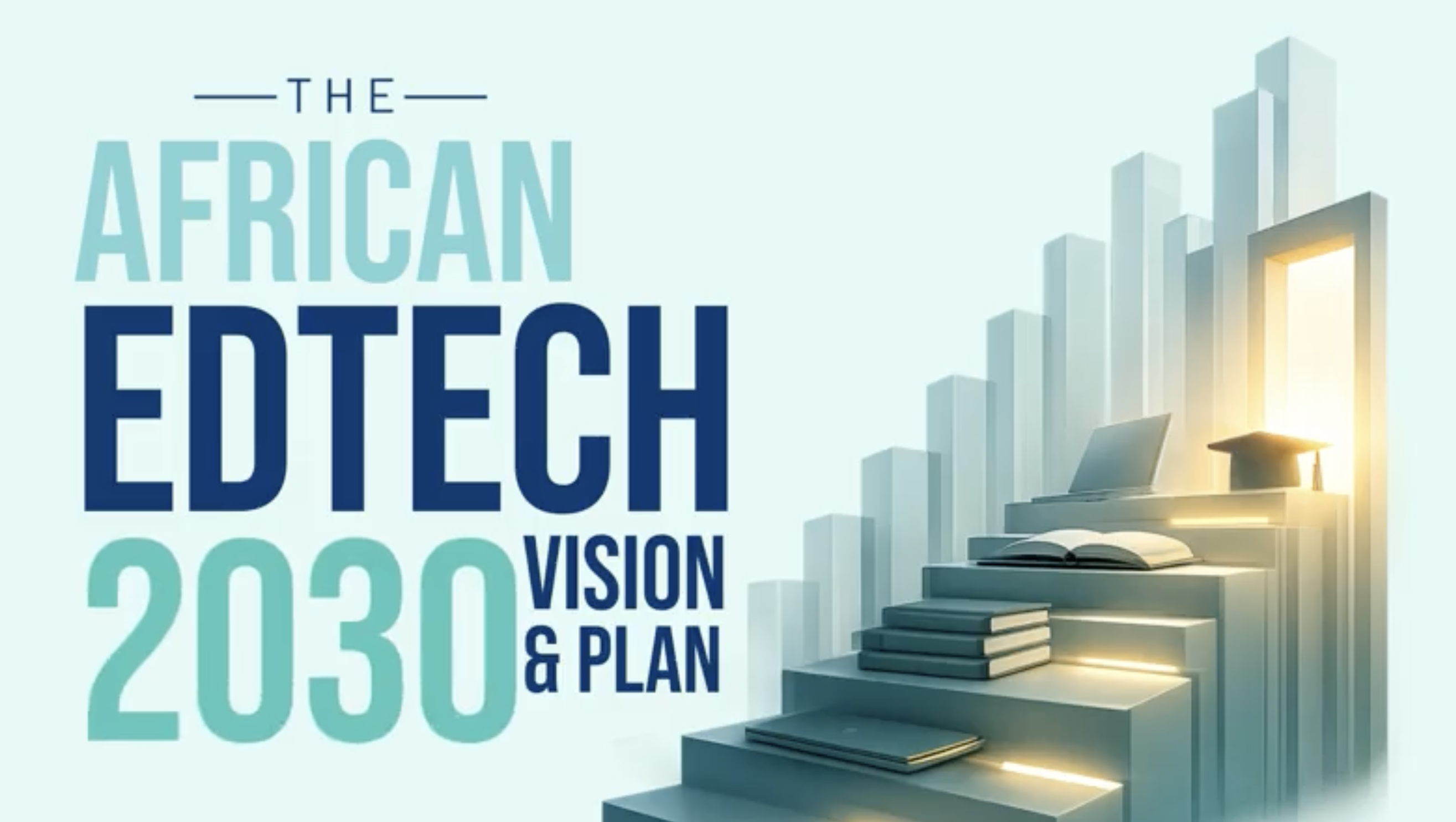
Nairobi, Kenya, 16 April 2026—African Union Heads of State have formally adopted the AUDA-NEPAD Africa EdTech 2030 Vision and Plan, delivering a continental mandate to transform digital learning for Africa’s learners. Mwanga wa Elimu (The Light of Education), the pan-African movement established to drive implementation of the Vision, celebrates and welcomes the adoption, which marks the start of a new phase of action.
The Vision commits that by 2030, every African learner will have affordable access to high-quality, localised digital learning resources within an inclusive, interoperable pan-African EdTech ecosystem. In a formal declaration of the Assembly of the Union released on March 31st, Heads of State welcomed the vision and plan and called for ‘member states to adopt and localise the plan, including through investments in digital public infrastructure for education and teacher digital capacity.’
“This is the moment Africa’s education technology ecosystem has been building toward. The AU Heads of State’s adoption of the Africa EdTech 2030: Vision and Plan gives us a shared architecture and mandate. Now the work of implementation begins and that is exactly what the Mwanga Wa Elimu movement was set up to do.” said John Kimotho, a Founding Luminary and the Executive Coordinator of Mwanga wa Elimu.
The adoption of the Vision and Plan has direct implications for every stakeholder group across Africa’s education and digital transformation landscape. Mwanga wa Elimu is calling on each to act now.
- Governments now have a clear continental framework for national EdTech policy. Align national strategies with the continental framework, commit to the phased implementation roadmap, and embed DPI-Ed within national digital education plans.
- The private sector has a stable, continent-wide architecture for investment. Invest in open, interoperable solutions and engage with public procurement pathways aligned to the Vision.
- Development partners can direct technical and financial assistance within a unified continental architecture, reducing duplication and increasing impact. Align all assistance with the Vision and Plan’s framework.
- Educators now have a direct pathway to digital professional development and DPI-Ed-compatible tools. Engage with those resources and champion learner-centred EdTech within your systems.
- Developers and innovators have access to shared open standards, harmonised policy frameworks, and sustainable revenue models at a continental scale. Build on open standards, build for offline-first, and build for Africa’s languages.
“This is an exciting moment. The vision is clear, and the plan is in place. We need to deliver education in a quality-assured manner and that is the role that Mwanga wa Elimu is here to play. To help turn ambition into action and advance the Africa EdTech 2030 Vision and Plan, so that quality learning reaches every child across the continent.” Dr. Joshua Valeta, Founding Luminary and Chairman, DEASA (Distance EducationAssociation of Southern Africa).
Following the Heads of State adoption, and call for member states to adopt and localise the plan, Mwanga wa Elimu has launched its first policy initiative, convening its members to co-create a policy implementation toolkit that can accelerate domestication of the continental framework at country level.
– ENDS –
Leave a Reply